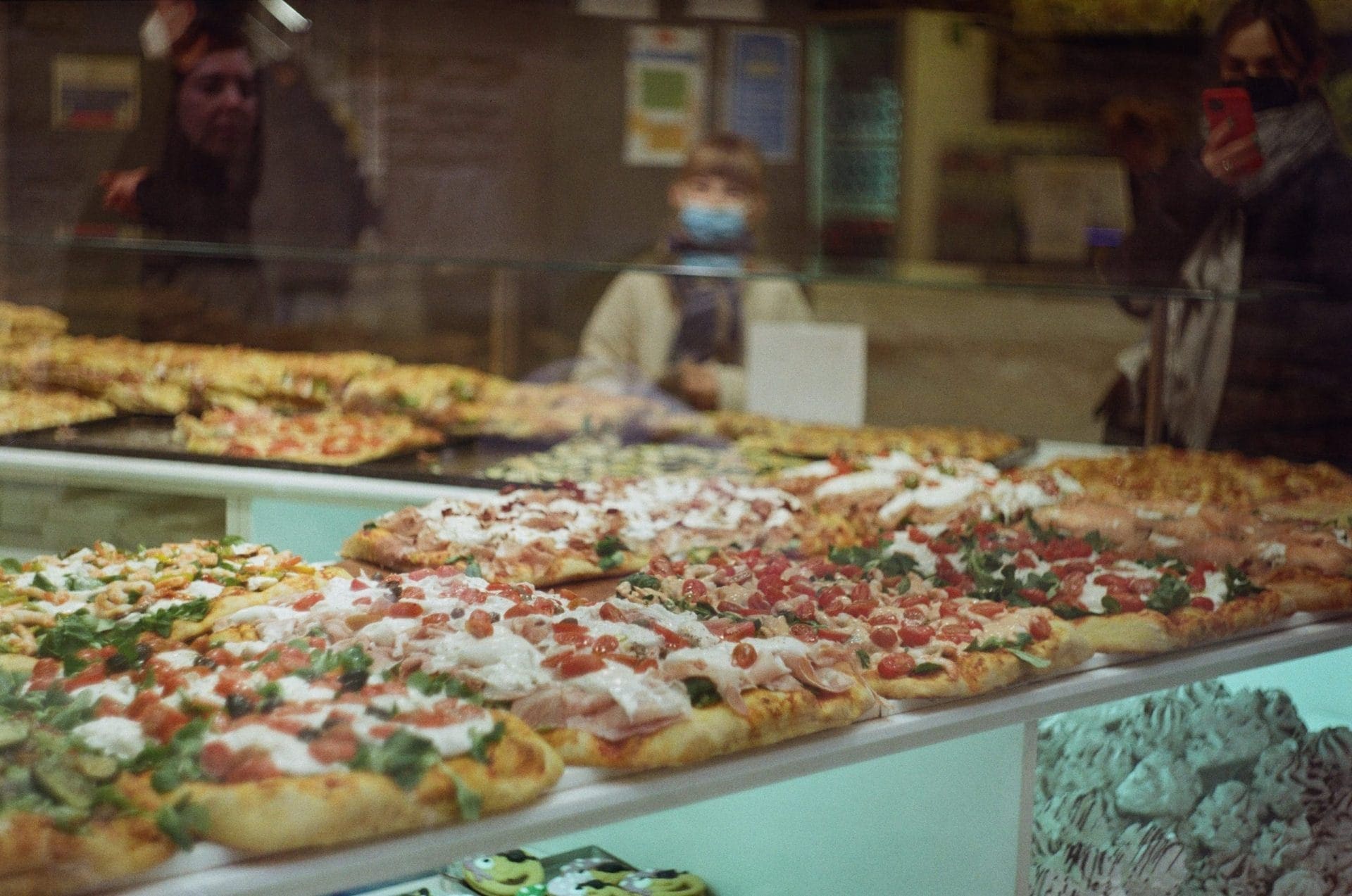
The Australian quick-service restaurant (QSR) pizza and pasta landscape is undergoing an aggressive structural shift. For years, the market was dominated by a race to the bottom on price.
However, skyrocketing commercial rents, shifting food aggregator commissions (Uber Eats, Menulog), and strict compliance under updated Fair Work regulations have fundamentally changed the rules of retail profitability.
In 2026, investing in a food franchise isn’t just about choosing a household logo; it is an exercise in analysing digital infrastructure, supply chain defence, and footprint optimisation.
Whether you are targeting a tech-driven high-volume delivery model or a premium, high-margin boutique concept, this independent guide breaks down the true financial realities, ongoing royalty structures, and Monkish Performance Scores for Australia’s top systems.
2026 Pizza & Pasta Franchise Comparison Table
Franchise Brand | Est. AU Stores | Upfront Capital Required (AUD) | Ongoing Royalty Fee | National Marketing Levy |
Domino’s | ~700 | $400,000 – $650,000+ | 7% of gross sales | 6% of gross sales |
Pizza Hut | ~255 | $350,000 – $600,000+ | 6% of gross sales | 5.5% of gross sales |
Crust Gourmet | ~120+ | $350,000 – $650,000+ | 6.5% of gross revenue | 4% of gross revenue |
La Porchetta | ~38 | $600,000+ | Flat monthly fee structure | 2% – 3% of gross sales |
Fasta Pasta | ~19 | $500,000 – $700,000 | 5% – 6% of gross sales | 2.5% of gross sales |
Ooshman (Manoosh) | ~14+ | $325,000 – $550,000 | Percentage structure | Variable localized digital pool |
Bubba Pizza | ~23 | $250,000 – $350,000 | Flat weekly/monthly fee | Flat fee structure |
Pastacup | ~23 | $30,000 – $46,000 (Entry) | 5% of gross revenue | 2% of gross revenue |
Pizza Inn | ~12 | $200,000 – $400,000 | Fixed monthly flat fee | 2% + 5% online sales |
Vapiano | ~8 (Local) | $750,000 – $2,000,000+ | 5% – 7% of gross sales | 2% of global/national sales |
Investment Rankings & Royalty Fee Analysis
True franchise sustainability relies on managing the Ongoing Combined Fee Load (Royalty + Marketing levies). High-volume, tech-backed brands demand higher percentages to fund their central software infrastructure, whereas regional or flat-fee boutique systems favour localised operational cash flow.
Total Combined Ongoing Fee Load by System Type:
Global Delivery Tier (Domino’s/Pizza Hut) [█████████████] 11.5% – 13.0%
Premium & Dine-In Tier (Crust/Fasta Pasta) [██████████] 8.5% – 10.5%
Boutique/Flat-Fee Tier (Bubba/Pizza Inn) [██████] Predictable Flat Fees
1. High-Volume Percentage Models
Domino’s leads the market with a steep 13% combined fee load (7% royalty + 6% marketing). Pizza Hut follows tightly at 11.5% combined (6% royalty + 5.5% marketing). These structures require immense transaction volumes to clear operational baselines but offer unmatched national marketing power.
2. Premium Dine-In and Pasta Infrastructure
Fasta Pasta and Crust utilises highly disciplined structural percentages (ranging from 8.5% to 10.5% combined). However, operators must watch out for minimum corporate weekly contribution baselines (e.g., Crust’s standard minimums), which can strain cash flow during slow seasonal quarters.
3. Independent Boutique Flat-Fee Options
For operators seeking predictable monthly overheads, boutique networks like Bubba Pizza and Pizza Inn use a flat-fee royalty model rather than a volatile gross-percentage deduction. This highly penalises low-volume stores but vastly rewards high-performing owners who scale their hyper-local store revenue.
Deep-Dive Australian Pizza Franchise Brand Profiles
1. Domino’s Pizza Australia
Domino’s is the largest pizza brand in Australia, renowned for its relentless focus on delivery speed, proprietary digital platforms, and a data-driven approach to both marketing and operations. The brand is synonymous with innovation in the QSR sector, frequently leading the market with new technology rollouts and aggressive territory management strategies.
- 2026 Store Count: ~700 locations across Australia.
- Growth Plans: Slicing and dividing mature urban territories to cut delivery times under 15 minutes; advancing corporate automated store assembly modules.
- Ideal Franchisee Profile: Hands-on multi-unit operators with rigorous logistical and fast-paced team management backgrounds.
- Strengths: Unrivalled tech stack, world-class corporate supply chain leverage, and easy bank financing.
- Weaknesses: Severe territory splitting can cannibalise existing store revenue; the high 13% ongoing fee cuts into net margins.
- Investment Suitability: Built exclusively for aggressive scale-focused entrepreneurs looking to run multiple high-volume locations.
2. Pizza Hut Australia
Pizza Hut is a global pizza icon with deep roots in the Australian market. Known for its wide-reaching delivery and dine-in presence, Pizza Hut has repositioned itself through modernisation, value-driven offerings, and a renewed focus on regional and suburban expansion. The brand leverages international backing to drive consistent national marketing and menu innovation.
- 2026 Store Count: ~255 locations nationwide.
- Growth Plans: Based on publicly available franchise information and recent expansion activity, Pizza Hut appears focused on regional rollout opportunities and compact delivery-led formats.
- Ideal Franchisee Profile: Growth-oriented local business owners looking for a global brand identity with spacious regional territories.
- Strengths: Generous geographic territory buffers, clear modern brand turnaround under stable backing.
- Weaknesses: Value pricing tier requires strict inventory, food waste, and portion controls to protect single-store ROI.
- Investment Suitability: Best for operators targeting regional trade zones with an established, easily marketed brand.
3. Crust Gourmet Pizza Bar
Crust is a premium pizza brand in Australia, celebrated for its gourmet menu, higher-quality ingredients, and upmarket positioning. The brand differentiates itself from mass-market competitors by targeting affluent suburban markets and focusing on innovation across both products and store formats, including the recent rollout of “Crust Express.”
- 2026 Store Count: ~120+ locations.
- Growth Plans: Transitioning traditional shopfronts into streamlined “Crust Express” formats and pushing into healthier lifestyle menu items.
- Ideal Franchisee Profile: Premium hospitality managers with deep neighbourhood connection skills and premium product standards.
- Strengths: High average transaction values and strong customer insulation against low-cost market price wars.
- Weaknesses: Vulnerable to premium ingredient supply chain price spikes; mandatory corporate flat-fee baselines.
- Investment Suitability: Highly suited for affluent suburban demographics where patrons prioritise gourmet menu options over cheap coupons.
4. Ooshman (Formerly Manoosh Pizzeria)
Ooshman is a rapidly growing, tech-forward pizza and Lebanese bakery brand. Born out of Sydney’s Manoosh Pizzeria, the rebrand to Ooshman signals an ambitious national expansion, blending Middle Eastern and modern pizza offerings. The brand is noted for its community orientation, innovative menu, and robust digital ordering infrastructure.
- 2026 Store Count: ~14+ stores (expanding fast from its NSW foundation).
- Growth Plans: National expansion under its fresh “Ooshman” brand identity, blending traditional Lebanese bakery options with modern pizza menu concepts.
- Ideal Franchisee Profile: Community-centric owners who want a distinct, tech-forward product edge over generic pizza chains.
- Strengths: Exceptional brand loyalty, highly unique food line, and a strong independent digital order ecosystem.
- Weaknesses: The brand identity transition requires aggressive local marketing to establish a footprint outside NSW.
- Investment Suitability: Ideal for modern metropolitan owner-operators seeking a unique menu with excellent margin protection.
5. La Porchetta
La Porchetta is an iconic Australian-Italian franchise established in the 1980s. The brand stands for family-friendly dining with hearty Italian cuisine, large-format restaurants, and a legacy of community engagement. La Porchetta’s longstanding reputation is built on delivering consistent value and a welcoming dine-in experience.
- 2026 Store Count: ~38 across Australia and New Zealand.
- Growth Plans: Refreshing sit-down dining spaces and strengthening their local family-oriented take-away hubs.
- Ideal Franchisee Profile: True family-oriented hospitality professionals who excel in full dine-in service and local group events.
- Strengths: Highly trusted, massive cultural brand presence built over four decades.
- Weaknesses: Large store square footage creates a higher entry cost profile and substantial lease overheads.
- Investment Suitability: Best for classic hospitality entrepreneurs focused on high-margin dine-in food items and community functions.
6. Fasta Pasta
Fasta Pasta is a specialist pasta and Italian cuisine franchise, primarily based in South Australia and regional markets. Known for its speed of service and casual family atmosphere, the brand focuses on in-house-made fresh pasta and affordability, catering to value-driven diners and regional families alike.
- 2026 Store Count: ~19 sites centred around SA and regional hubs.
- Growth Plans: Targeted regional shopping strip development and integration of high-speed pasta cooking lines.
- Ideal Franchisee Profile: Multitasking operational managers focusing on high-speed kitchen execution and value-oriented family dining.
- Strengths: Massive market defence as a specialised pasta player, ensuring lower direct competition from pure pizza shops.
- Weaknesses: Geographically concentrated brand recognition; requires significant upfront fit-out capital.
- Investment Suitability: A prime fit for operators in regional cities looking for a reliable casual dining family concept.
7. Bubba Pizza
Bubba Pizza is a Victorian and South Australian flat-fee franchise network, offering a straightforward, value-focused pizza model. The brand is recognised for its low entry costs, predictable fee structure, and a strong emphasis on local store autonomy, making it appealing to first-time business owners and suburban operators.
- 2026 Store Count: ~23 locations across Victoria and South Australia.
- Growth Plans: Pushing initial expansion blocks directly into Queensland and New South Wales.
- Ideal Franchisee Profile: Hands-on first-time business owners searching for an affordable, straightforward commercial entry point.
- Strengths: Accessible entry costs ($250k–$350k) and a highly predictable, flat, ongoing fee structure.
- Weaknesses: Lower national brand marketing spend compared to multi-million-dollar global competitors.
- Investment Suitability: The premier selection for entry-level suburban operators looking to maximise store-level profitability via flat fees.
8. Pastacup
Pastacup is a Western Australian-based franchise specialising in fresh, handmade pasta for takeaway and delivery. With a focus on simplicity, affordability, and innovative store formats, Pastacup aims to introduce a new generation of pasta-centric QSR outlets to the Australian market, expanding eastward with a nimble, low-barrier model.
- 2026 Store Count: ~23 stores.
- Growth Plans: Transitioning its proven WA handmade takeaway pasta model into the eastern state markets.
- Ideal Franchisee Profile: Active, operational owners looking for low upfront capital hurdles and simple, streamlined menus.
- Strengths: Incredibly low initial franchise barrier ($30,000 – $46,000 for entry).
- Weaknesses: Takeaway pasta requires meticulous local marketing to educate customers accustomed to classic pizza delivery.
- Investment Suitability: Perfect for solo operators wanting an affordable, nimble, food-truck-to-brick-and-mortar transition lifestyle.
9. Pizza Inn
Pizza Inn is a boutique Australian pizza franchise with a heritage dating back several decades. It is known for its community-centric approach, old-school values, and consistent, affordable offerings. Pizza Inn appeals to local operators seeking a stable, neighbourhood-focused business with strong customer loyalty.
- 2026 Store Count: ~12 stores.
- Growth Plans: Selective community expansion via highly cost-efficient takeaway-focused footprints.
- Ideal Franchisee Profile: Local operators looking for an old-school, stable, and highly supportive neighbourhood business network.
- Strengths: Fixed monthly royalty fees shield high earners; excellent long-term local trust.
- Weaknesses: A smaller corporate footprint limits national advertising power compared to major players.
- Investment Suitability: Great for family-run operations wanting lower overhead exposure in secondary suburban commercial markets.
10. Vapiano
Vapiano is a global fast-casual Italian chain that offers an upmarket, interactive dining experience, focusing on fresh, made-to-order pasta and pizza. In Australia, Vapiano targets high-traffic, premium locations and leverages technology across kitchen operations and guest engagement, positioning itself as a leader in the premium casual segment.
- 2026 Store Count: ~8 high-volume corporate/franchise destination hubs.
- Growth Plans: Introducing modular inner-city formats to capture corporate crowds and high-density tourist locations.
- Ideal Franchisee Profile: High-net-worth enterprise investors or multi-brand hospitality groups capable of managing huge venues.
- Strengths: High gross turnover per site, premium chic destination positioning, and tech-driven smart payment tracking.
- Weaknesses: Massive setup costs (exceeding $1.5M+); highly dependent on foot traffic patterns.
- Investment Suitability: Strictly for institutional franchise syndicates or elite operators aiming for premium retail spaces.
How We Assessed These Franchises
The Monkish Performance Score is an independent editorial assessment based on publicly available franchise disclosure information, franchise recruitment materials, brand footprint, estimated investment requirements, growth trajectory, scalability, and market positioning. Scores do not constitute financial advice and should not replace independent due diligence.
Original Monkish Franchise Scores
To deliver an objective, data-backed utility that competitors cannot easily copy, our Monkish Scoring Matrix rates each system out of 10 across four critical pillars to produce an aggregate performance score:
Franchise Brand | Market Growth | Brand Power | Entry Cost Feasibility | Scalability | Monkish Score |
Domino’s | 6.5 | 9.5 | 7.0 | 8.0 | 7.8 / 10 |
Pizza Hut | 8.5 | 8.0 | 8.5 | 8.5 | 8.4 / 10 |
Bubba Pizza | 8.0 | 6.5 | 9.0 | 7.5 | 7.8 / 10 |
Ooshman (Manoosh) | 8.5 | 7.5 | 8.0 | 7.0 | 7.7 / 10 |
Crust Gourmet | 7.0 | 8.0 | 7.5 | 7.0 | 7.4 / 10 |
Fasta Pasta | 6.5 | 7.0 | 7.0 | 6.5 | 6.8 / 10 |
La Porchetta | 6.0 | 7.5 | 6.0 | 6.0 | 6.4 / 10 |
Pastacup | 7.0 | 5.5 | 9.5 | 5.5 | 6.9 / 10 |
Pizza Inn | 5.5 | 6.0 | 8.0 | 6.0 | 6.4 / 10 |
Vapiano | 6.5 | 8.0 | 4.0 | 6.5 | 6.2 / 10 |
Profitability Discussion: Protecting Your Net Cash ROI
If you are looking to secure a food business in 2026, you must plan your operational budget around the QSR Rule of Thirds:
The Pizza & Pasta Margin Blueprint
- COGS (Cost of Goods Sold): Target 24% – 28% for pasta (highly profitable baseline margins) and 26% – 30% for pizza. Value concepts rely on absolute waste optimisation, whereas premium concepts absorb slightly higher costs via elevated retail pricing.
- Labour & Roster Efficiency: Target 30% – 33%. Systems featuring custom online apps and automated scheduling outpace brands that rely heavily on aggregator rosters.
- Lease & Fixed Fees: Target a combined ceiling of 25% covering commercial retail rents, utilities, insurance, and ongoing corporate fees.
Before signing a franchise disclosure document (FDD), request anonymised Item 19 financial history reports to verify how local units compare with these structural industry benchmarks.
Are you ready to discover active food and beverage listings across Australia? Explore vetted opportunities by investment level and location with the [Monkish Real-Time Franchise Search Tool].
(Source:
Domino’s Franchise Australia,
Pizza Hut Franchise Opportunities Australia,
Crust Franchise Opportunities,
La Porchetta Franchising,
Fasta Pasta Franchising,
Ooshman Franchising,
Bubba Pizza Franchising,
Pastacup Franchising,
Pizza Inn Australia,
Vapiano Australia,
Franchise Council of Australia,
Australian Bureau of Statistics)
Frequently Asked Questions about Pizza Franchise Chain in Australia
What is the cheapest pizza franchise in Australia?
Pastacup currently offers one of the lowest franchise entry points, although total setup costs may vary by location and format.
Which pizza franchise has the most locations in Australia?
Domino’s Pizza Enterprises remains the largest pizza franchise network in Australia by store count.
Are pizza franchises profitable?
Profitability varies significantly depending on labour costs, rent, territory quality, delivery mix, and franchise fees. High-revenue stores do not automatically generate high profits.
What should I look for before buying a pizza franchise?
Review franchise disclosure documents, territory availability, historical financial performance, royalty obligations, and local market competition.